The Ceremony That Never Happened
On Friday, June 20, delegations were meant to gather in Switzerland to formally sign a 14-point memorandum of understanding between the United States and Iran. Pakistan’s foreign ministry announced the ceremony was cancelled. Switzerland’s foreign ministry confirmed it. The document, it emerged, had already been signed remotely — a procedural workaround that stripped the event of its symbolic architecture before it could be photographed.
The cancellation was not a collapse of the deal. It was something more structurally revealing: a signal that the agreement is operating in a space between formal treaty and informal arrangement, enforceable by threat rather than institution, with a 60-day negotiating window that Vice President JD Vance confirmed began ticking on Thursday.
The deadline falls on August 17.
The Blockade Ends. The Leverage Does Not.
US Central Command announced the end of its naval blockade of the Strait of Hormuz on Thursday, effective immediately. The blockade had been in place since April 13 — 67 days during which the United States controlled passage through a waterway that carries roughly 20% of global oil supply. Seven ships crossed on the day the announcement was made, according to Marine Traffic data.
The lifting of the blockade is the most concrete concession Washington has delivered. In exchange, Iran signed a memorandum. What that memorandum requires Iran to actually surrender remains, at the level of public disclosure, undefined.
Defense Secretary Pete Hegseth, speaking to NATO defense ministers in Brussels, specified the consequence of non-compliance: the US would restart military action and reimpose the blockade. That framing positions the blockade not as a resolved crisis but as a suspended instrument. The deterrent is only as credible as Washington’s willingness to re-engage a military posture it just dismantled.
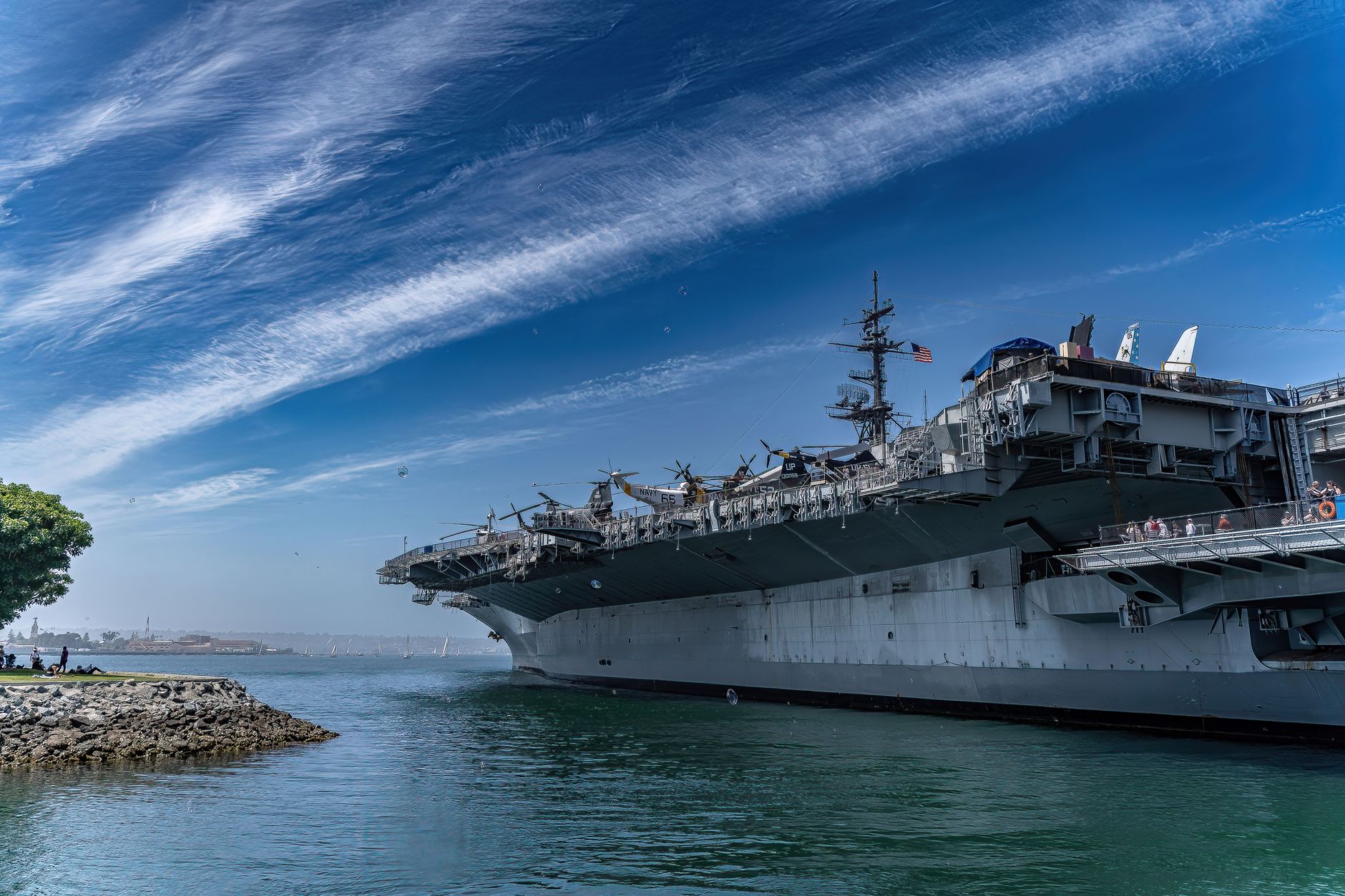
US Central Command lifted the Hormuz blockade on Thursday after 67 days, even as the Switzerland signing ceremony was cancelled and Israeli strikes continued in Lebanon.
Michael Concepcion / PexelsKhamenei’s Conditional Yes
Ayatollah Ali Khamenei’s first public statement on the deal arrived Thursday via state television. It was read aloud, not delivered in person. The substance was a qualified endorsement wrapped in grievance: he had held a different view of the memorandum but issued permission based on assurances from President Pezeshkian that Iranian rights and the “resistance front” would be protected.
Khamenei simultaneously characterized Trump as having used “all kinds of levers” to reach the agreement “out of desperation.” He stated that future face-to-face negotiations would not mean accepting the enemy’s position. He warned the deal would not be accepted if the American side made excessive demands.
This is not the language of a party that has conceded. Khamenei’s framing — coerced participation, preserved principles, conditional future compliance — is structured to give Tehran maximum maneuvering room inside the 60-day window while attributing any eventual breakdown to American overreach.
Days of US Naval Blockade in Strait of Hormuz (Cumulative)
Iran’s Fee Schedule for the World’s Oil
Before the Switzerland ceremony was cancelled, Tehran announced something that received less attention than the diplomatic choreography around it: Iran plans to introduce a system of maritime fees in the Strait of Hormuz once the 60-day negotiating period expires. Iranian officials described the strait as under their control and stated that a European plan for a naval escort mission through the waterway would not be welcome.
The fee proposal is not incidental. It is a structural assertion: that Iran’s temporary restraint during negotiations is the product of leverage, not agreement, and that the leverage converts to revenue once the clock runs out. No international legal framework gives Iran the right to impose transit fees in the Strait of Hormuz — the waterway includes international shipping lanes through which passage rights are governed by the UN Convention on the Law of the Sea. Tehran’s announcement treats that legal architecture as irrelevant.
No US official has publicly rejected the fee proposal.
Lebanon as the Active Variable
While diplomats discussed Switzerland, the Israeli Defense Forces were conducting strikes across southern Lebanon throughout Thursday night. The IDF cited repeated ceasefire violations by Iran-backed Hezbollah. Trump, posting on social media, called for “a complete ceasefire on all fronts, including Lebanon, Hezbollah and Israel,” urging all parties to allow negotiations to “beautifully unfold.”
Vance, in Israel, delivered a sharper message to Israeli critics of the Iran deal. Trump, he said, was “the only head of state in the entire world who is sympathetic to the nation of Israel at this moment in time” — a statement that simultaneously invoked US defense aid as implicit leverage and positioned Israeli skepticism of the deal as ingratitude. Israel has severed diplomatic relations with EU foreign policy chief Kaja Kallas over allegations she compared the country to apartheid South Africa.
The Lebanon front represents the central structural flaw in the memorandum’s architecture. The deal is framed as bilateral — US and Iran — but Hezbollah operates in Lebanon with Iranian backing and is not a party to the agreement. Any ceasefire that Washington declares on Iran’s behalf does not bind a non-state actor that both Tehran and the IDF treat as the active theater of conflict.
What the 60-Day Clock Actually Measures
The memorandum of understanding has produced, in its first 24 hours, a lifted naval blockade, a cancelled ceremony, continued Israeli strikes in Lebanon, an Iranian fee proposal for global shipping, and a supreme leader’s statement framing the deal as a product of American desperation. The 60-day negotiating window does not resolve these contradictions. It schedules them. What gets measured between now and August 17 is not progress toward a final agreement — it is the rate at which each party tests what the other will absorb before the clock becomes a crisis.