A Deal Announced, Then Immediately Undermined
The memorandum of understanding between Washington and Tehran had barely cleared the signing table before Iran’s supreme leader, Ali Khamenei, delivered a public verdict: Donald Trump signed it out of desperation. The statement was not a diplomatic protest through back channels. It was a frontal, on-record declaration designed to reach a domestic audience — and it landed at the precise moment the United States was fulfilling the deal’s first material term by lifting a naval blockade in the Persian Gulf.
This is the structural condition of the agreement from the outset. Both governments are committed to a text that at least one head of state is actively delegitimizing at home. That is not an inauspicious start. It is a warning signal embedded in the deal’s opening hours.
The Architecture of a Disputed Agreement
The MoU’s contents remain only partially public, but its immediate operational consequence is unambiguous: the US naval posture in the Gulf has shifted. A blockade — an act of economic warfare by any legal definition — has been suspended. That is a concrete, reversible American concession made before any verified Iranian compliance with whatever nuclear constraints the document imposes.
The sequencing matters. Administrations that lead with concessions in arms-adjacent negotiations typically do so either because they have secured significant private guarantees, or because domestic political pressure demanded visible de-escalation at any cost. Trump’s critics in Washington, including factions that have historically supported his foreign policy posture, are already advancing the second interpretation.
Khamenei’s framing serves a parallel function inside Iran. By characterizing the deal as the product of American weakness rather than Iranian compromise, he insulates the clerical establishment from accusations of capitulation. The Revolutionary Guard, the institutional actor most hostile to any nuclear accommodation, requires this framing to remain passive. Khamenei is not simply editorializing — he is managing a coalition.

Tehran remains the seat of a clerical authority that has now publicly distanced itself from a deal its own negotiators signed.
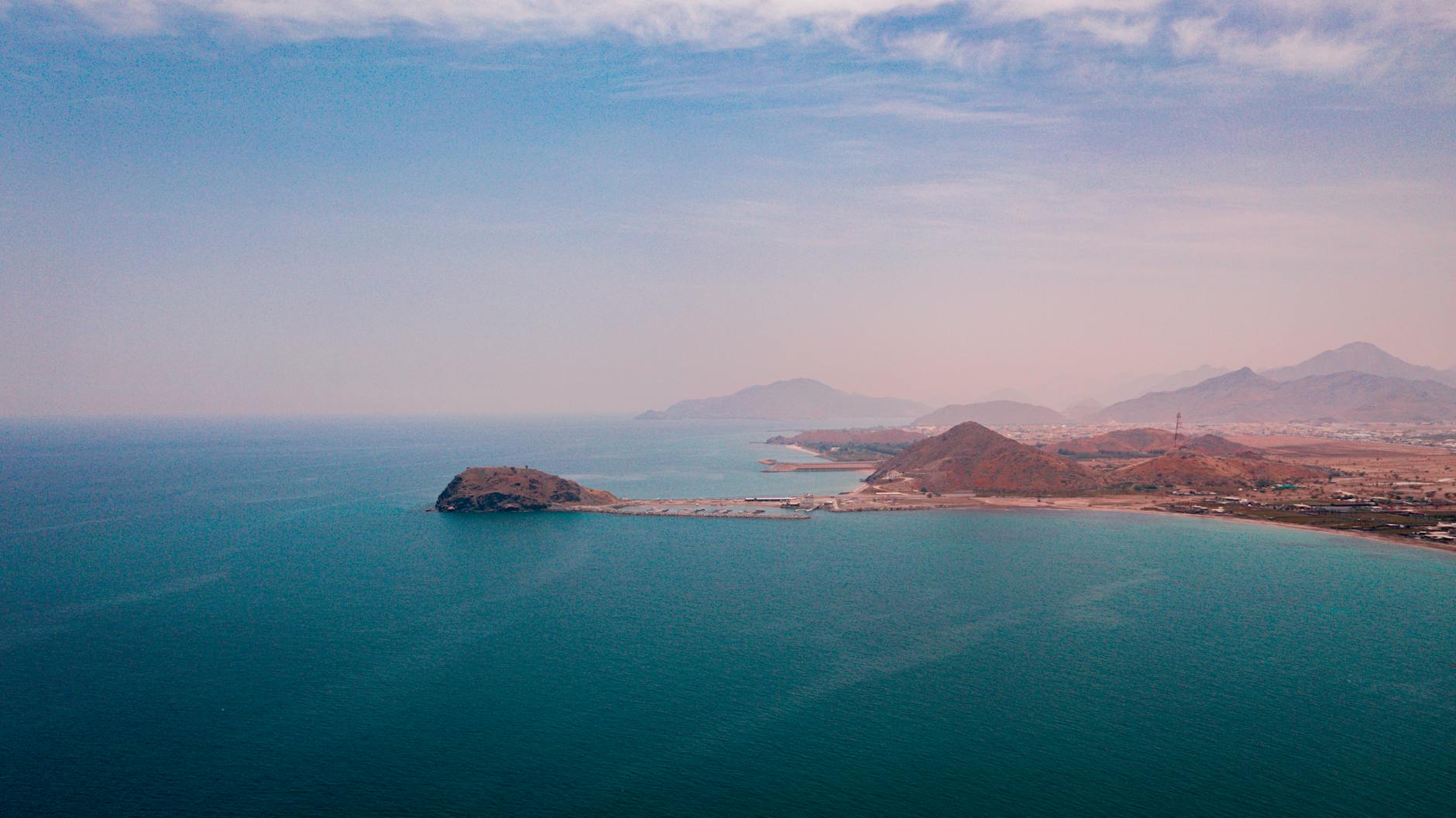
Mehdi Salehi / PexelsPro-Israel Hawks and the Sabotage Architecture
In Washington, the deal’s opposition has taken a calculated form. Pro-Israel legislators and aligned think tanks have criticized the MoU in formal terms while conspicuously declining to break with Trump personally. The pattern is familiar: attack the policy without attacking the president, then work the implementation layer — sanctions architecture, congressional notification requirements, intelligence-sharing protocols — to hollow out what was agreed at the summit level.
This is how American foreign policy commitments die without ever being formally repudiated. The deal remains on paper. The enforcement infrastructure around it erodes through appropriations riders, delayed regulatory adjustments, and intelligence community resistance. By the time the MoU reaches its first substantive review, the operational conditions it assumed may no longer exist.
Analysts tracking this space have noted that the most effective opposition to diplomacy with Tehran has never come through outright rejection — it has come through procedural attrition.
What the Naval Withdrawal Actually Signals
Stripping away the political theater on both sides, the lifting of the naval blockade is a geopolitically significant event regardless of what either leader says about the deal publicly. American naval presence in the Gulf has long functioned as a coercive instrument tied to Iranian oil export suppression. Removing that instrument — even temporarily, even conditionally — alters the economic calculus for Iranian crude reaching Asian markets.
If Iranian oil exports rise materially over the next 90 days, the MoU will have delivered Tehran a tangible economic benefit before any nuclear verification mechanism has been tested. That outcome would validate Khamenei’s framing that the deal represented American desperation — not because he is correct about Trump’s psychology, but because the sequencing would make the argument structurally credible.
The Stability Problem No One Is Solving
Agreements between adversarial states that lack domestic consensus on both sides have a documented failure rate. The 2015 JCPOA collapsed not because its technical architecture was unsound but because the political coalitions sustaining it in Washington and, to a lesser extent, in Tehran were insufficient to survive a change in American administration.
The current MoU faces a structurally worse version of the same problem. In 2015, the Obama administration was publicly committed to the deal as a legacy instrument. The Iranian leadership, whatever its private reservations, was not conducting open press conferences to describe the agreement as an American act of desperation in the same week it was signed.
What exists now is a document with one party’s head of state calling it a product of weakness and another party’s congressional bloc preparing to dismantle it through procedure. The naval blockade is lifted. The deal’s survival is another matter entirely.