The Label That Replaces Due Process
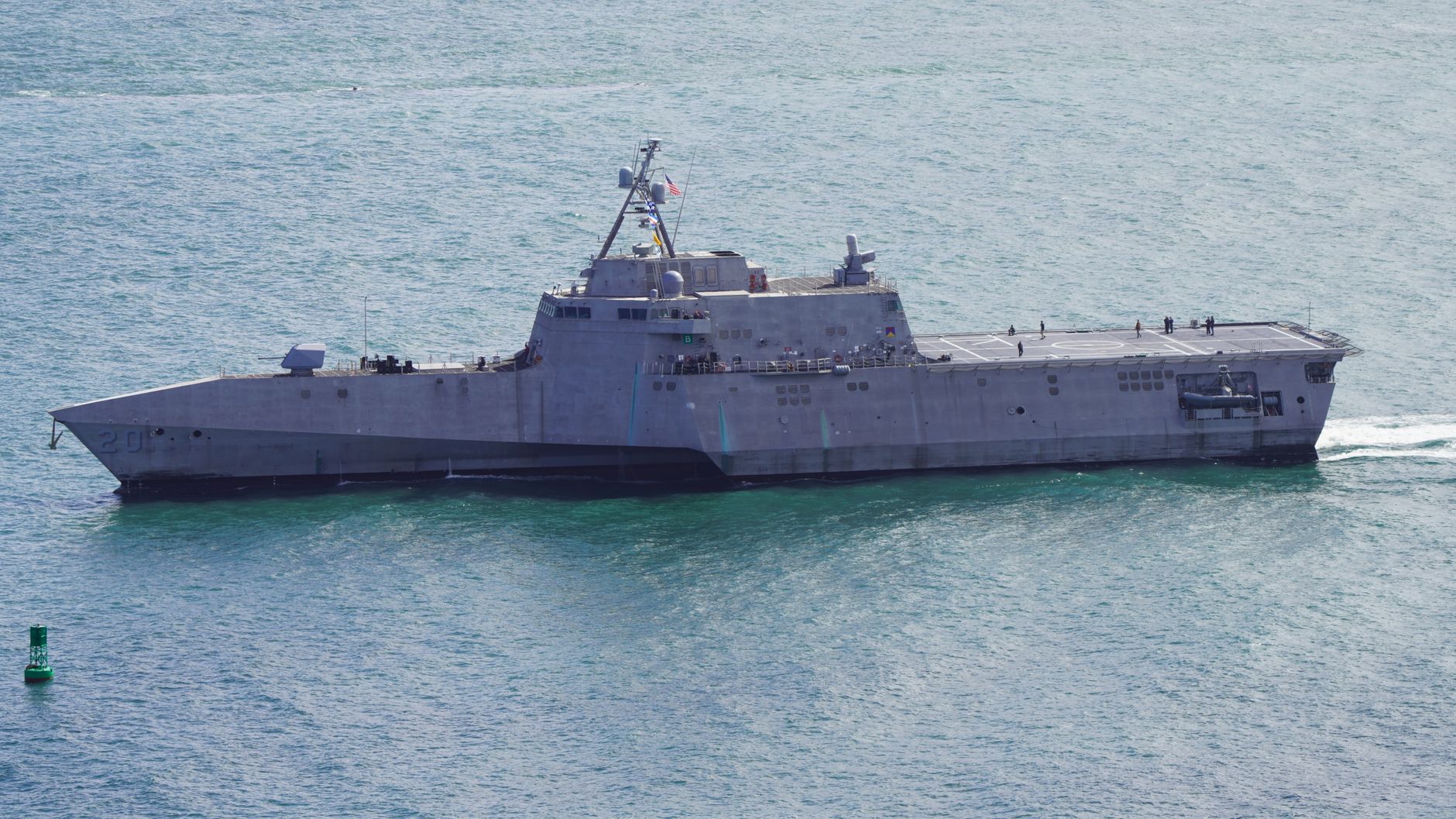
On June 19, U.S. forces conducted a strike on a vessel in the Eastern Pacific, killing three people. Washington described those aboard as narco-terrorists. The description settled the matter, publicly at least. No trial, no extradition request, no formal designation under any internationally recognized legal framework — only a label applied by the same government that authorized the strike, fired the weapon, and counted the bodies.
This is now routine. Since early September, U.S. military forces have killed at least 211 people in strikes on boats the administration categorizes as narco-terrorist operations. The Eastern Pacific has become a theater of lethal force with no declared war, no Authorization for Use of Military Force passed by Congress, and no independent mechanism to verify who died or why.
A Kill Count Without a War
The speed at which a death toll of 211 has accumulated — across roughly nine months — is not incidental. It reflects deliberate operational tempo. The Trump administration began this campaign by asserting that drug trafficking networks constitute a national security threat equivalent to terrorism, which provided the rhetorical scaffolding for military rather than law enforcement responses.
The practical consequence is that the Department of Defense, rather than the Drug Enforcement Administration or the Coast Guard, is prosecuting interdiction at sea. Coast Guard operations involve boarding, search, seizure, and detention. Military strikes involve missiles and death. The administration shifted the instrument; the legal framework for doing so remains contested and largely unscrutinized.
Congress has not passed legislation authorizing lethal maritime strikes on drug trafficking vessels. The White House has not formally invoked existing AUMFs, which apply to designated terrorist organizations in specific conflict zones. The legal theory underlying 211 deaths is, at this stage, executive assertion.
Estimated Cumulative Deaths from U.S. Maritime Narco Strikes
Verification and the Absence of It
Every casualty figure in this campaign originates with U.S. military or administration statements. There is no embedded press corps on these operations. There is no neutral body conducting post-strike assessments. The boats, once struck, sink. The people aboard them have no institutions filing habeas petitions or requesting death certificates.
This is not an accident of geography. Maritime strikes in international waters are structurally opaque. The administration exploits that opacity. When a drone strike in a recognized conflict zone kills civilians, there is at least a legal framework — however weak — for demanding accountability. When a naval vessel fires on a speedboat in the Pacific and three people die, the evidentiary chain begins and ends with the entity that pulled the trigger.
The people killed may have been moving narcotics. Some certainly were. The absence of a legal process to establish that fact is the problem the administration has declined to address.
The Escalation Logic
Two hundred and eleven dead in nine months. The number will continue to rise. Nothing in the operational posture or the political environment suggests otherwise. The campaign has generated no significant congressional pushback, no major domestic legal challenge, and limited sustained press attention relative to the casualty count.
The administration’s framing — narco-terrorism as a national security emergency — does specific work here. It transforms a law enforcement problem into a military one, removes the requirement for judicial process, and neutralizes opposition by associating any criticism with sympathy for drug traffickers. This is a familiar architecture. The post-2001 war on terror used identical logic to expand executive lethal authority across a dozen countries. The maritime drug war is its structural descendant.
The difference is scale and attention. The post-2001 framework, whatever its abuses, was debated extensively in Congress and the press. The maritime narco-strike campaign has accumulated a death toll of more than 200 with considerably less scrutiny.
What Normalization Looks Like
The June 19 strike was reported as a discrete news item. Three dead. Eastern Pacific. Alleged narco-terrorist vessel. The story moved through the news cycle without anchoring to the cumulative toll or the legal vacuum that makes each strike possible.
That is what normalization looks like in practice. The 211st death is not treated as structurally connected to the first. Each strike is presented as an isolated operational event rather than as a data point in an expanding pattern of legally ungrounded lethal force. The administration has correctly calculated that a kill count distributed across nine months and dozens of separate news cycles will not aggregate into a political crisis.
The structural argument is straightforward: a government that can kill 211 people in international waters under no formal legal authority, with no independent verification, and at accelerating pace, has established a precedent that does not require drug trafficking to remain its only application.